

What sits inside an “all-in” cross-border rate, line by line, and where the charges that do not belong usually hide.
The quote says USD 3,850, Monterrey to Dallas, door to door. The traffic manager compares it with two others. One says 3,600, the other 4,100. They pick the middle one. They do not know the three include different things, and that the cheapest one will arrive with USD 480 of “border expenses” the others already had inside.
A cross-border rate is not a number. It is the sum of five services performed by five different companies, and each one invoices someone separately.
Piece 7 of 10 in the trip-file series. See all ten · Previous · Next
- Drivers: yard, transfer, and the U.S. leg
- 3
- Per axle today on the Laredo bridge
- USD 4.75
- Per axle from January 2027
- USD 5.25
The trip nobody runs end to end
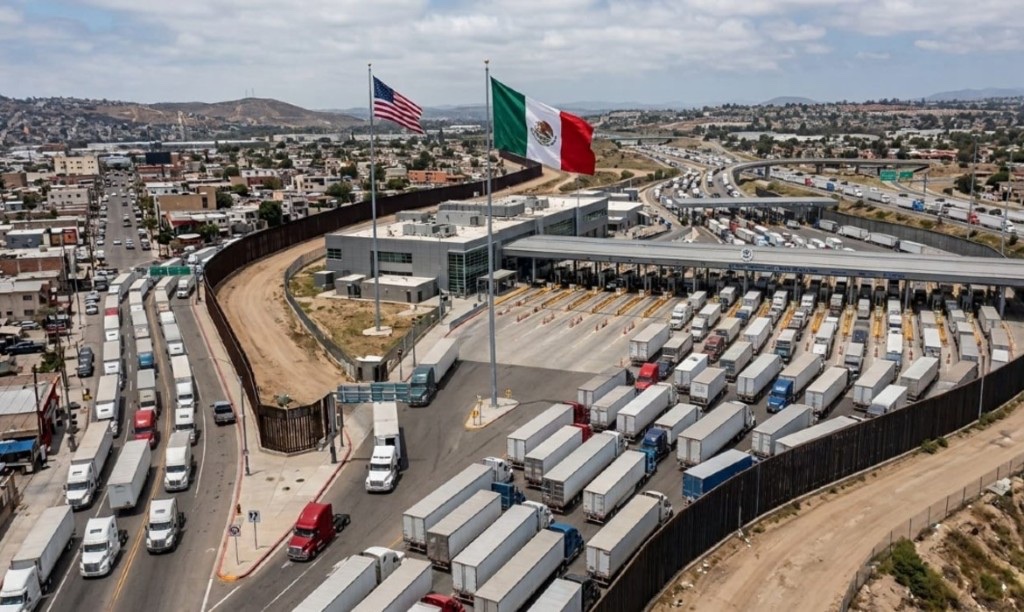
U.S. rules confine Mexican tractors to a 25-mile commercial zone. That is why a typical shipment needs three different drivers. The one who brings the freight from Monterrey to the Nuevo Laredo yard. The transfer that crosses the trailer over the bridge. And the one who picks it up in Laredo and takes it to Dallas.
Three drivers, three companies, three invoices. And between them, two customs brokers. The Mexican one files the export pedimento. The U.S. one files the entry. Each charges its own fee per shipment.
The lines
Mexican leg (Monterrey to Nuevo Laredo)
Who bills it: Mexican carrier
Public reference: Market rate for the lane
Evidence that holds it up: Invoice with Carta Porte, GPS
Transfer or trailer crossing
Who bills it: Transfer carrier
Public reference: USD 150 to 300 per crossing in market references
Evidence that holds it up: Yard ticket, crossing time
Bridge toll
Who bills it: City of Laredo
Public reference: USD 4.75 per axle, about USD 25 for five axles
Evidence that holds it up: Toll-account record
Mexican customs broker
Who bills it: Customs agency
Public reference: MXN 3,500 to 15,000 per operation, or 0.35% to 0.65% of value
Evidence that holds it up: Pedimento, expense account
U.S. customs broker
Who bills it: Customs broker
Public reference: Entry fee, varies by broker
Evidence that holds it up: Entry summary
U.S. leg (Laredo to Dallas)
Who bills it: U.S. carrier
Public reference: Market rate per mile
Evidence that holds it up: Rate confirmation, BOL
Border-yard detention
Who bills it: Yard or transfer carrier
Public reference: Per day, by yard
Evidence that holds it up: Yard in and out, GPS
Transload (if the trailer changes)
Who bills it: Cross-dock warehouse
Public reference: USD 75 to 150 per shipment in market references
Evidence that holds it up: Transload manifest
What the table teaches is that a “border expenses” charge with no breakdown cannot be audited. It can contain a legitimate transfer, or three days of yard time nobody authorized.
The bridge is going up
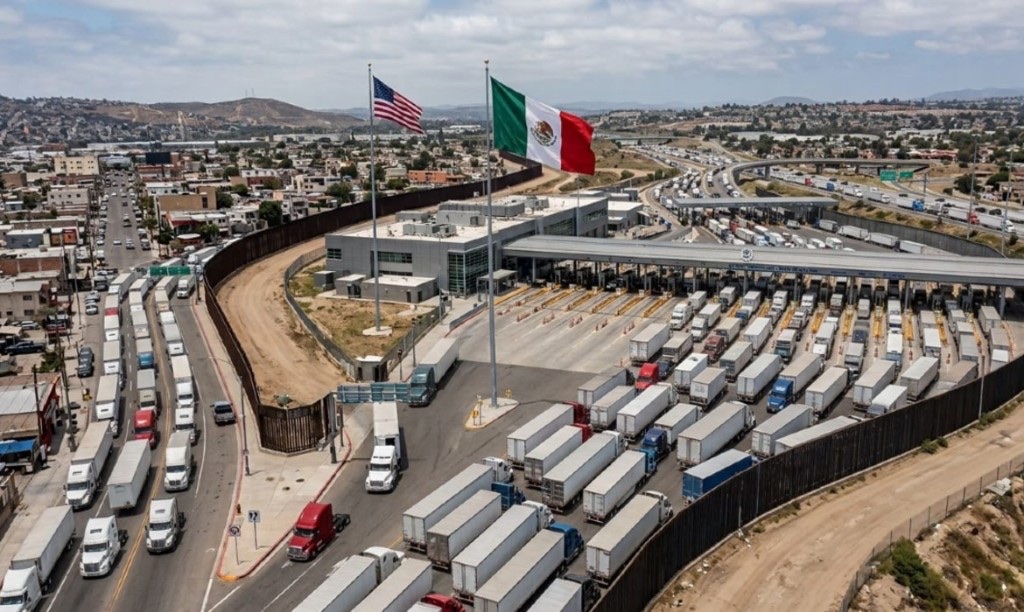
The toll is the smallest line and the only one with a change date. The Laredo city council approved in June 2026 that from January 2027 trucks pay USD 5.25 per axle, with stepped increases through 2029. It is cents per crossing. But a carrier that crosses 40 times a month will present that increase as a rate adjustment, and the traffic manager should know it is worth USD 2.50 per trip, not 50.
Direction changes the price
The same highway is two markets. In quotes from October 10, 2026 for nine city pairs, the dry-van rate northbound through Laredo was 15% to 53% above the southbound rate. Whoever exports pays the expensive leg. Whoever imports, the cheap one.
That has a practical consequence for the audit. An export rate compared against an import reference will always look expensive. Compare in the same direction, the same week, the same equipment.
Where the money is lost
The pattern in cross-border operations points to three recurring leaks. Each operation has to check them against its own numbers.
The transfer billed twice. Once inside the Mexican carrier’s “all-in” rate and again as a border expense from the customs broker. You catch it by asking both to break the charge down.
Yard detention nobody measured. The trailer arrives in Nuevo Laredo on a Thursday afternoon, the pedimento clears on Monday, and someone bills three days of yard. The trailer’s GPS says how long it sat. The pedimento says when it cleared. The gap between the two dates is someone’s responsibility, and almost never the shipper’s.
The crossing that was not the same day. A shipment that arrives after the last crossing window waits until the next day. If the quote assumed a same-day crossing and the carrier arrived late to the yard, the layover is theirs.
What makes the corridor different
On a domestic trip the file has one invoice with a Carta Porte complement, one GPS, and one proof of delivery. On a cross-border trip it has three transport invoices in two currencies, a pedimento, an entry, two GPS traces that do not talk to each other, and a U.S. bill of lading that does not know the Mexican complement.
Nobody reconciles that file. The customs broker reconciles their part, the carrier theirs, the U.S. broker theirs. The only one who sees the whole trip is the owner of the freight, who is also the one with the least time to look at it.
Start this week
Take your last cross-border invoice and ask each provider to break it into the eight lines on the table. The one who cannot, or who takes more than a week, is billing something they cannot explain.
The USD 3,850 quote was the right one. The USD 3,600 one ended at 4,080. Nobody lied. Nobody asked what was included.
Key takeaways5 points
- U.S.
- The toll is the smallest line and the only one with a change date.
- The same highway is two markets.
- The pattern in cross-border operations points to three recurring leaks.
- On a domestic trip the file has one invoice with a Carta Porte complement, one GPS, and one proof of delivery.
Assemble the file before you pay
Frequently asked questions
It is not one number. It is the Mexican leg, the transfer, the bridge toll, the Mexican customs broker, the U.S. customs broker, the U.S. leg, and, if it applies, yard or transload. An all-in rate with no breakdown cannot be audited.
U.S. rules confine Mexican tractors to a 25-mile commercial zone. Someone takes the freight to the yard, someone crosses the trailer, and someone takes it on the U.S. side.
From January 2027 trucks pay USD 5.25 per axle, up from 4.75. On five axles the increase is about USD 2.50 per trip, not a USD 50 rate adjustment.